Insulated Windows in Your Home Can Reduce Your Excel Bill
Let’s face it—opening your Excel Energy bill shouldn’t feel like a horror story. Whether you’re freezing in Highlands Ranch or sweating it out in Aurora, heating and cooling your home costs a fortune. However, there’s a surprisingly simple solution: installing insulated windows.
Think of them like thermal shields for your home. They keep the outside out and the inside in. And if you’re anywhere in metro Denver, including Englewood, Centennial, Littleton, Lone Tree, or Denver proper, Paramount Siding and Windows is one of the most trusted companies to help you make the switch.
Let’s break down exactly how insulated windows work, why they matter, and how they can lower your energy bills while making your home more comfortable—every season of the year.
What Are Insulated Windows?
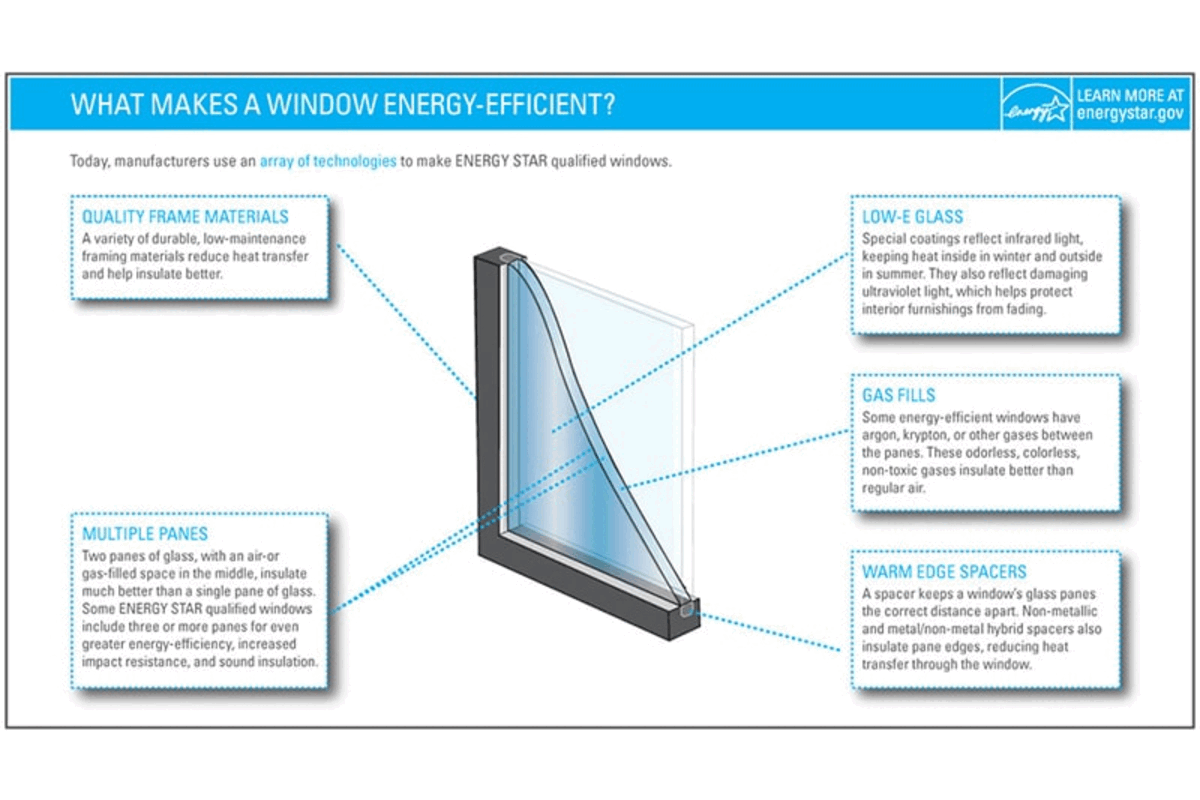
Insulated windows—also known as double-pane or triple-pane—are built with two or more layers of glass. Between those layers is a sealed space filled with air or a gas, such as argon or krypton. That space slows down the transfer of heat and cold, keeping your home’s interior temperature more stable.
Why It Matters in Colorado
Colorado’s Front Range sees wild temperature swings. One week it’s snowing in Lone Tree, and the next it’s 80 degrees in Denver. That’s why Paramount Siding and Windows installs insulated windows specifically designed for this climate. They help your home stay warm in winter and cool in summer—without your HVAC working overtime.
Why Your Excel Bill is Probably Too High
Let’s take a look at the key ways old or poorly insulated windows drive up your energy usage:
1. Heat Loss in Winter
Warm air escapes through thin glass and poorly sealed frames, causing your furnace to run longer than necessary.
2. Heat Gain in Summer
Single-pane windows offer little to no protection against radiant heat from the sun, particularly in homes facing east or west. That means your AC is constantly playing catch-up.
3. Drafts and Air Leaks
Air sneaks in through cracks and gaps, which is basically like leaving your windows cracked open all year. Paramount Siding and Windows uses precision installation methods to eliminate these problems at the source.
How Insulated Windows Lower Your Energy Bill
Thermal Barriers Built-in
The multiple panes of glass and insulating gas in between act like a buffer against outdoor temperatures. Less heat escapes in winter, and less gets in during summer.
Low-E Coatings Help Reflect Heat
Low-emissivity coatings bounce infrared heat back where it came from—keeping it inside your home during winter and outside in the summer.
Better Frames, Tighter Seals
Modern insulated windows include weather-tight frames and advanced materials that reduce thermal transfer. Paramount Siding and Windows offers a range of frame options with high energy efficiency ratings.
How Much Can You Really Save?
Let’s talk numbers. According to the U.S. Department of Energy, upgrading from single-pane to ENERGY STAR-rated insulated windows can save you between $100 and $465 per year, depending on your climate zone and the size of your home.
In the Denver metro area, the savings tend to be on the higher end—especially if you’re replacing windows that are more than 15 years old. And those savings compound year after year.
Excel Energy Rebates Make It Even Easier
Good news: Excel Energy offers rebates for homeowners who install qualifying energy-efficient windows.
What Do You Need to Qualify?
- ENERGY STAR-rated window products
- Professional installation (like the work done by Paramount Siding and Windows)
- Completed rebate forms and receipts
It’s easy to apply online through the Excel Energy website. That’s money back in your pocket—on top of your energy savings.
More Than Just Energy Efficiency
Noise Reduction
Live near a busy road or noisy neighbors? Insulated windows dampen sound, making your home quieter and more peaceful.
Fewer Hot and Cold Spots
Rooms no longer feel like saunas or igloos. Insulated windows help distribute temperature more evenly across your home.
Less Condensation and Mold
By regulating interior surface temperature, insulated windows reduce the chance of moisture buildup and mildew growth—especially around window sills.
Orientation Matters
Depending on which direction your windows face, different insulated window features can make a difference.
South-Facing
These soak up the most sun. Low-E coatings are key to letting in light without letting in heat.
North-Facing
These lose heat easily in the winter. Insulated windows trap warmth inside and block out cold wind.
East & West
Morning and afternoon sun can overheat these areas. Paramont’s window options help manage that gain efficiently.
Which Insulated Window Is Right for You?
Double-Pane
The most common choice. Affordable and highly effective for most homes in metro Denver.
Triple-Pane
Great for extreme weather, high noise areas, or if you want maximum efficiency. A top option offered by Paramount Siding and Windows.
Low-E Glass
This coating adds a layer of infrared protection, helping control heat gain/loss without blocking light.
Don’t Forget the Frames
The window frame plays a huge role in insulation. Here are your options:
Vinyl
Budget-friendly and energy efficient with minimal maintenance.
Fiberglass
Durable and extremely energy-efficient. Ideal for Colorado’s climate swings.
Wood
Beautiful and natural insulators, but they need care and sealing over time.
DIY vs. Professional Installation
Installing your own windows might sound like a good idea—until you hit your first surprise. Professional installation by Paramount Siding and Windows guarantees tight seals, correct fit, and manufacturer warranty compliance.
Signs It’s Time to Replace Your Windows
- Drafts or cold spots near windows
- Fog or moisture between panes
- Rising energy bills with no explanation
- Difficulty opening, closing, or locking
- Peeling paint or warped window frames
Will It Add Home Value?
Absolutely. New insulated windows can return up to 72% of their cost in added home value. Plus, they instantly improve curb appeal and energy efficiency—two big selling points for today’s buyers in Centennial, Littleton, and across Denver.
The Environmental Impact
Better windows mean less energy wasted. That reduces fossil fuel use and cuts your carbon footprint. One upgrade helps your wallet and the planet.
Tips for Maximizing Window Performance
- Use thermal curtains or cellular shades at night
- Keep blinds open in winter to let in the sun
- Seal any wall gaps around window frames
- Schedule routine inspections with a pro like Paramount Siding and Windows
Conclusion: Is It Worth It?
If your Excel bill is creeping higher every season, replacing your windows isn’t just worth it—it’s necessary. Insulated windows improve comfort, cut monthly costs, and pay off in resale value. Paramount Siding and Windows serves all of metro Denver and has helped thousands of homeowners reduce their energy use with high-performance window installations. If you’re ready to stop wasting money and start making your home more efficient, they’re the team to call.
FAQs
1. How long do insulated windows last?
Most last between 20–30 years with proper maintenance and installation.
2. Are Paramount’s windows ENERGY STAR certified?
Yes. Paramount Siding and Windows installs top-quality ENERGY STAR-rated products.
3. How quickly will I notice energy savings?
Most homeowners see lower bills the very next billing cycle.
4. Can I finance my window replacement?
Paramount offers financing options to make upgrading more affordable.
5. Is installation messy or time-consuming?
Not at all. Most installations are completed within a day or two, and Paramount’s crews clean up after themselves.
Subscribe to Paramount Siding & Windows's Blog

Comments