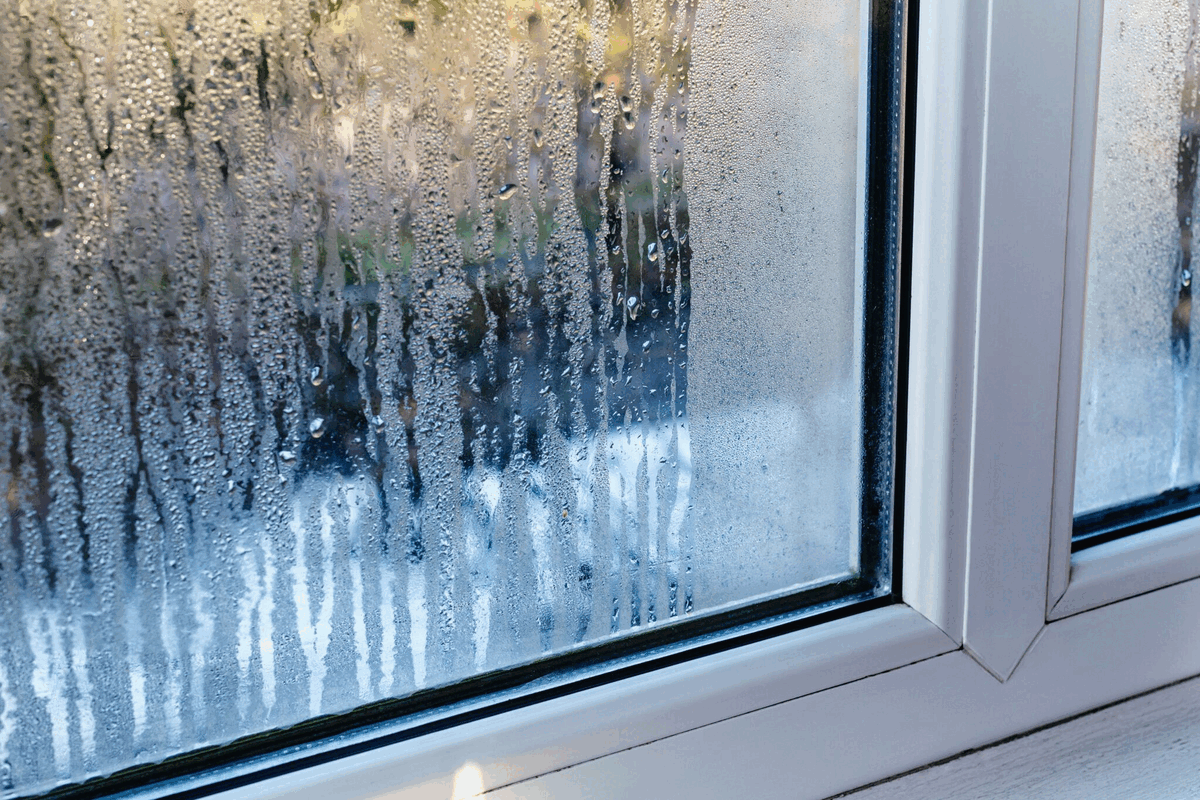
We’ve all noticed those water droplets forming on our windows, especially when the weather turns chilly. While it might seem harmless, window condensation can actually signal bigger issues in our homes like excess humidity or poor insulation. If left unchecked, it can even lead to mold growth and damage to window frames.
Understanding why condensation happens is the first step to keeping our windows clear and our living spaces comfortable. With a few simple tips, we can tackle condensation before it becomes a problem and make sure our homes stay healthy and dry all year round.
Understanding Condensation
Condensation forms when warm, moist air meets cooler window surfaces. Water vapor in the air cools rapidly on contact and changes to liquid droplets, often visible on glass. This moisture typically collects most around double-pane or single-pane windows in kitchens and bathrooms.
Air holds moisture as water vapor, measured by relative humidity. Condensation occurs most often when indoor humidity exceeds 60% and window surface temperatures are below the dew point. Sources like cooking, bathing, and drying clothes indoors contribute large amounts of moisture to the air.
Building materials and window insulation levels affect condensation. Poorly insulated or single-glazed windows cool faster, making condensation more likely. Energy-efficient windows with thermal breaks and low-emissivity coatings mitigate this issue.
Environmental factors include outdoor temperatures and ventilation rates. Colder outdoor air lowers glass temperature, while insufficient ventilation allows humidity to rise. Consistently high humidity can result in condensation on windows throughout late fall, winter, and early spring.
Factors Leading to Condensation on Interior Windows
Moisture production inside homes increases condensation risk on windows. Cooking, showering, boiling water, and drying laundry indoors produce water vapor that raises the relative humidity level. When indoor humidity frequently exceeds 60%, condensation often forms on window glass, especially during autumn and winter.
Temperature differences between indoor air and cold window surfaces drive moisture to condense. Warm air holds more water vapor than cool air. As warm, humid indoor air hits cooler window panes, water droplets collect if the glass temperature falls below the dew point. This scenario happens commonly on single-pane or poorly insulated windows between November and March.
Ventilation impacts how much moisture remains in the living space. Limited airflow, for example in tightly sealed homes or spaces lacking exhaust fans, traps moisture and encourages condensation. Adding controlled ventilation, such as running bathroom fans or opening windows daily, reduces relative humidity.
Insulation quality and window construction affect condensation formation. Double-pane and triple-pane insulated glass units reduce the temperature drop across the pane, while single-pane windows offer little resistance to heat loss, increasing condensation in rooms with poor insulation. Homes built before 1980 often feature uninsulated or thinly insulated windows, making condensation more common.
Outdoor weather patterns influence condensation frequency. Prolonged cold snaps, high precipitation rates, and low exterior dew points create conditions that magnify temperature differences and contribute to condensation issues inside homes. Weather data from NOAA confirms that window condensation incidents spike during periods of sustained cold weather in regions with high average winter humidity.
Tips for Minimizing Winter Window Condensation Inside Your Home
Window condensation happens more often during winter when cold outdoor air meets warmed indoor environments. We limit moisture buildup through targeted practices and devices.
Utilize a Portable Dehumidifier or Install a Whole-Home Dehumidifier
Dehumidifiers lower air moisture to reduce window condensation. We use portable dehumidifiers in high-humidity spaces like basements or laundry rooms and install whole-home systems for consistent humidity control. Energy Star recommends keeping indoor relative humidity between 30% and 50% to prevent condensation and mold growth (source: EPA). We check units’ capacity in pints per day and match it to room size for effective results.
Employ Kitchen and Bathroom Exhaust Fans
Exhaust fans remove humidity generated from activities like cooking and showering. We run kitchen exhaust fans while boiling water or frying foods and operate bathroom fans during and at least 20 minutes after hot showers. These fans vent moist air outdoors, which prevents humidity pockets in enclosed areas. In new or tightly sealed homes, this step proves critical for managing humidity and minimizing winter condensation.
Keep Interior Doors Open for Air Circulation
Interior doors left open help air circulate, distributing moisture more evenly and reducing airborne condensation on window panes. We use ceiling fans, even on low settings in winter, to move warm air downward and prevent moisture from gathering at cool glass surfaces. On mild days above freezing, we briefly open windows to exchange humid indoor air with drier outdoor air, restricting this only when outdoor temperatures or weather make it impractical.
Reasons for Condensation on Exterior Windows
Condensation on exterior windows forms when outdoor air contacts colder glass, driving water vapor to condense. We see this phenomenon more often in certain conditions:
- High Outdoor Humidity: Warm, humid air meets cooler exterior window glass, causing visible moisture during summer mornings or after rain.
- Rapid Temperature Drops: Significant overnight cooling, followed by warm daylight, produces condensation as the exterior glass remains colder than the warming air.
- Shaded or Obstructed Windows: Shaded or tree-covered windows stay cooler, collecting more exterior condensation compared to sun-exposed panes.
- Low-E Glass Characteristics: Energy-efficient Low-E windows reflect interior heat, keeping exterior surfaces colder and promoting outside condensation in humid or cool mornings.
- Nearby Water Sources: Proximity to lakes, pools, or irrigated landscaping increases humidity around windows, amplifying exterior condensation risks.
These exterior condensation causes differ from indoor condensation, reflecting environmental conditions rather than indoor humidity management. Exterior window condensation signals efficient window insulation if coupled with minimal interior moisture buildup.
Strategies for Reducing Window Condensation Outside
Exterior window condensation usually reflects local climate conditions, shading, or surface temperatures rather than indoor humidity problems. We can use targeted methods to reduce moisture on window exteriors in specific situations.
Trim Vegetation Near Windows or Doors
We trim trees, shrubs, and vines within 24 inches of windows or doors to improve outdoor air circulation and sunlight exposure. Reduced foliage contact allows sunlight to directly warm glass surfaces, which raises window temperature and lets morning condensation evaporate faster. Common dense vegetation, such as evergreen bushes or thick vines, limits airflow and sunlight, leading to longer-lasting moisture on glass.
Increase the Temperature Setting on Your Air Conditioner
We increase the set point of our central air conditioning to maintain slightly warmer window glass during humid mornings and nights. Warmer window surfaces remain above dew point in high humidity, which minimizes condensation formation on exteriors. Raising the thermostat by 2–3°F can be effective when using AC near rooms with persistent exterior condensation, especially during humid weather episodes.
Causes of Condensation Between Window Panes
When we notice condensation forming between window panes it’s often a sign that the window seal has failed. This trapped moisture can’t be wiped away from either side and usually points to a breakdown in the insulating layer of double- or triple-pane windows. Over time this not only clouds our view but can also reduce the energy efficiency of our windows.
Addressing this issue early helps us avoid bigger problems down the road. If we spot persistent fogging or water droplets between panes it’s wise to consult a window professional about repair or replacement options to keep our homes comfortable and efficient.
Frequently Asked Questions
What causes condensation on my windows?
Condensation forms when warm, moist air inside your home meets cooler window surfaces. This is especially common in kitchens, bathrooms, and during colder months. High indoor humidity and poor insulation make condensation more likely.
Is window condensation a sign of a problem?
Occasional condensation is common, but frequent condensation suggests excess indoor humidity or poor insulation. If left unchecked, it can lead to mold growth and window frame damage.
Should I wipe off condensation from my windows?
Yes, you should wipe off window condensation with a soft cloth. This prevents moisture damage and mold growth on window frames and sills.
How can I prevent window condensation in winter?
Use dehumidifiers, run exhaust fans in kitchens and bathrooms, keep interior doors open for better air circulation, and briefly open windows on mild days. Maintain indoor humidity between 30% and 50% to reduce condensation.
Why does condensation form on the outside of my windows?
Exterior condensation happens when warm, humid outdoor air meets cooler window surfaces, often during cool mornings or after rapid temperature drops. This usually means your windows are well-insulated.
Will better insulation reduce window condensation?
Yes, upgrading to double-glazed or low-emissivity windows and improving home insulation can reduce condensation by keeping window surfaces warmer.
Can plants and laundry increase window condensation?
Yes, indoor plants, drying clothes indoors, and daily activities like cooking and showering add moisture to the air, raising the risk of condensation.
Is window condensation harmful to my home?
Persistent condensation can lead to mold, damage window frames, and harm indoor air quality. It’s important to manage humidity to protect your home.
How do I control indoor humidity to prevent condensation?
Use dehumidifiers, ventilate regularly, run exhaust fans, and keep humidity between 30% and 50%. Avoid drying laundry indoors if possible.
What can I do about condensation on the exterior of windows?
Trim vegetation near windows to improve air flow and sunlight exposure, and set your air conditioner to a higher temperature to minimize exterior condensation during humid spells.
Subscribe to Paramount Siding & Windows's Blog



Comments