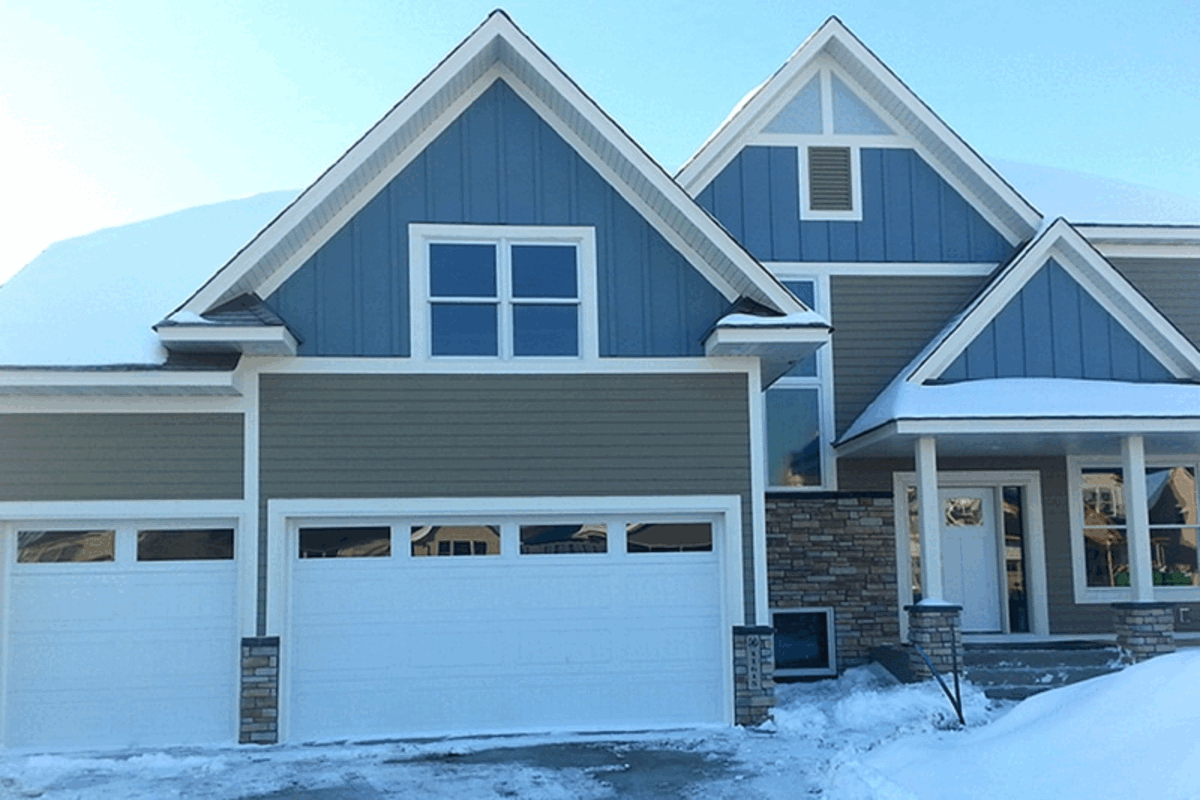
If you’ve lived through a Front Range winter, you know the story. One day it’s sunny and 55, the next it’s single digits with blowing snow. Those swings are tough on homes. In this guide, we break down how Colorado winters impact your home’s siding and windows, what to watch for, and smart upgrades that stand up to our weather. As a local team at Paramount Siding and Windows serving Littleton and the entire Denver Metro, we’ve seen what survives our climate and what doesn’t.
Key Takeaways
- Colorado winters impact your home’s siding and windows through rapid freeze–thaw cycles, strong UV, wind, and hail, which can cause cracks, gaps, fading, and brittle failures.
- Prioritize seasonal maintenance: in fall inspect and re-caulk, upgrade weatherstripping, and clear gutters; manage snow/ice to prevent ice dams; in spring clean, touch up finishes, and fix loose panels or flashing.
- Choose siding built for the Front Range—fiber cement, engineered wood, steel, or quality insulated vinyl—and keep finishes and end joints sealed to block moisture intrusion.
- Select windows with Low-E glass, low U-factor, balanced SHGC, and tight air-leakage ratings; watch for drafts, sticky operation, or fogged panes as signs of frame movement or seal failure.
- Proper installation matters in Colorado: use head flashing, sill pans, shingle-lapped housewrap, correct expansion gaps, backer rod, and cold-weather sealants, and schedule major work in shoulder seasons.
- Repair localized damage, but replace when multiple window seals fail or siding shows widespread cracking or rot to boost comfort, efficiency, and long-term value in Colorado winters.
What Makes Colorado Winters Tough On Exteriors
Colorado winters impact your home’s siding and windows in ways that are different from many other regions. The combination of altitude, sun, wind, and temperature swings puts materials under constant stress.
Rapid Freeze–Thaw Cycles And Wide Temperature Swings
We can see 40-degree shifts in a single day. That means repeated expansion and contraction for siding, caulking, window frames, and seals. Over time, movement can open small gaps, crack brittle materials, and loosen fasteners. Masonry, wood, and lower-grade vinyl tend to show it first.
High-Altitude UV, Snow Glare, And Dry Air
At 5,280 feet, UV exposure is stronger, and it reflects off snow. Paints and finishes fade faster, sealants dry out, and plastics can become brittle. The dry air also draws moisture from wood products unless they’re properly engineered or finished.
Wind, Blowing Snow, And Hail Exposure
Front Range winds can drive snow under poorly sealed laps and around window perimeters. In spring, hail is a frequent visitor. Impact can dent metal, crack vinyl or fiber cement edges, and stress window glazing and screens.
How Winter Conditions Affect Siding
Different siding materials react differently, but they all face the same winter forces.
Cracking, Warping, And Brittle Failures By Material
- Vinyl: Can become brittle in extreme cold, making it prone to cracking from impact or movement.
- Wood: Expands when wet and contracts when dry, which can lead to cupping or splitting if finishes fail.
- Fiber cement: Handles temperature swings well, but edges can chip if struck when it’s very cold.
- Steel: Durable and fire resistant, but can dent under large hail.
Moisture Intrusion, Paint/Finish Wear, And Rot
UV and ice work together. Once paint or finish wears down, water can get behind laps or into end cuts, then freeze. That cycle accelerates rot in wood and can weaken sheathing and framing over time. Keeping finishes intact and end joints sealed is key.
Fasteners, Flashing, And Housewrap Vulnerabilities
Even a solid cladding can fail if details are off. Missing kickout flashing at roofs, loose starter strips, or punctured housewrap can funnel meltwater right where you don’t want it. We often find that a careful repair or re-flash by our Paramount Siding and Windows team saves a homeowner from a much bigger problem later.
How Winter Conditions Affect Windows
Windows do a lot of heavy lifting in Colorado. They keep out wind, fight heat loss, and take a beating from sun and temperature.
Condensation, Ice, And Seal Failure
On very cold mornings, you may see condensation or even frost at the edges of the glass. Persistent moisture can point to a failed seal in double-pane units, especially if you also see fog or a milky film between panes.
Drafts, Frame Movement, And Hardware Issues
Temperature swings can move frames slightly out of square. That can show up as sticky operation, latches that don’t line up, or new drafts. Older aluminum frames are especially prone to heat loss, while low-quality vinyl can warp over time.
Energy Loss: U-Factor, SHGC, And Air Leakage
- U-factor measures heat transfer. Lower is better for winter comfort.
- SHGC (solar heat gain coefficient) helps manage sun. In Colorado, a balanced SHGC can capture winter sun without overheating rooms.
- Air leakage ratings matter here. With frequent wind, tighter windows reduce drafts and energy bills.
Prevention And Seasonal Maintenance
A little attention in the right season pays off all winter.
Fall Prep: Inspection, Caulking, And Weatherstripping
- Walk the exterior for loose siding laps, cracked caulk, and failing paint.
- Re-caulk trim, penetrations, and window perimeters with a high-quality, cold-tolerant sealant.
- Replace worn weatherstripping and check door sweeps.
- Clear gutters and confirm downspouts push water away from the foundation.
Snow And Ice Management To Prevent Ice Dams
Keep roof edges and valleys clear so meltwater doesn’t back up under shingles and into wall cavities. Make sure attic insulation and ventilation are balanced to reduce ice dam formation. Also brush off heavy snow from bay and bow window tops to limit stress on frames.
Spring Recovery: Cleaning, Touch-Ups, And Repairs
- Wash siding to remove grit that can wear finishes.
- Touch up paint and seal exposed cut edges or nail heads.
- Address any loose panels, popped nails, or lifted flashing before summer storms arrive.
Best Materials And Design Choices For Colorado
If you’re planning upgrades, choose products proven on the Front Range.
Siding: Fiber Cement, Engineered Wood, Metal, And Insulated Vinyl
- James Hardie fiber cement handles freeze–thaw and resists fire. It also takes paint well for long-term color.
- LP SmartSide engineered wood blends durability with an authentic wood look. With proper installation and finish, it stands up to our dry climate and cold snaps.
- Steel siding is fireproof and pest resistant and offers long service life. It’s a strong option in higher fire risk zones and on exposed elevations.
- Insulated vinyl can improve R-value and reduce noise, provided it’s a quality product with correct fastening.
At Paramount Siding and Windows, we install LP SmartSide, James Hardie, and steel siding options, and we can add insulation behind new siding to boost energy efficiency.
Windows: Fiberglass, Vinyl, And Clad Wood With Low-E Glazing
- Fiberglass frames are stable across temperature swings and resist warping.
- High-quality vinyl offers strong efficiency and value when paired with modern glass packages.
- Wood or wood-clad brings warmth indoors, with exterior cladding for weather protection.
All should include Low-E coatings tuned for our sunny winters and dry climate.
Glass Options: Double vs. Triple Pane, Gas Fills, And Warm-Edge Spacers
- Double-pane Low-E with argon gas meets most needs and balances cost.
- Triple-pane can be worthwhile on north or windward walls, large glass areas, or for sound reduction.
- Warm-edge spacers reduce condensation at the perimeter and help seals last longer.
We’re a Premier Dealer for MI Windows and install the Restorations Series V5500 vinyl windows, which offer efficient glass options, sturdy frames, and style choices like woodgrain interiors and exterior colors that match Denver-area architecture.
Installation And Timing Considerations
Great products need great installation, especially in Colorado’s winter conditions.
Proper Flashing, Sill Pans, And Housewrap Integration
Window openings should have head flashing and sill pans that direct water out, not in. Siding needs correct clearances, kickout flashing where roofs meet walls, and housewrap that shingle-laps over flashings to shed water.
Expansion Gaps, Backer Rod, And Cold-Weather Sealants
Materials move. Leaving proper gaps and using backer rod behind caulk helps joints flex without breaking. Choose sealants rated for low-temperature application when winter work can’t wait.
Scheduling Work In Shoulder Seasons And Local Requirements
We often target spring and fall for bigger siding or window projects to avoid deep freezes and summer hail season. Our team handles permitting in the Denver Metro and follows manufacturer specs so warranties stay intact. When a repair can buy time before a full replacement, we’ll tell you and do the repair right.
When To Repair Versus Replace
We’re homeowners here too, so we get the balance between budget and long-term value.
Red Flags You Shouldn’t Ignore
- Loose or rattling siding panels
- Peeling paint with soft wood beneath
- Drafty rooms near windows or visible light at frames
- Condensation or fog between glass panes
- Rising energy bills even though the same thermostat settings
Cost, Performance, And Warranty Trade-Offs
A targeted repair often makes sense if damage is localized and the material is in otherwise good shape. Replacement becomes the better investment when:
- Seals have failed across multiple windows
- Siding shows widespread cracking, rot, or impact damage
- You want to improve comfort and efficiency with better U-factors, Low-E glass, and tighter installation
Paramount Siding and Windows is happy to inspect, give you straightforward options, and explain warranties. We install leading brands and back our work, so you’re covered for the long haul.
Conclusion
Colorado winters impact your home’s siding and windows more than most climates. The good news is you can plan for it. Choose materials built for freeze–thaw cycles and high UV, keep up with simple seasonal maintenance, and partner with a local installer who understands the Front Range.
If you’re in Littleton or anywhere in the Denver Metro and you’re seeing drafts, cracked siding, or fogged glass, reach out to Paramount Siding and Windows. We can repair where it makes sense, or help you upgrade to options like LP SmartSide, James Hardie, steel, and MI Restorations Series V5500 windows. Visit our showroom or schedule a free quote, and let’s get your home ready for the next cold snap.
Frequently Asked Questions
How do Colorado winters impact your home’s siding and windows?
Colorado winters bring rapid freeze–thaw cycles, high-altitude UV, dry air, wind, blowing snow, and spring hail. These stress siding, caulking, frames, and seals—causing cracking, gaps, faded finishes, brittle plastics, and dented or chipped cladding. Windows face drafts, sticky operation, condensation, and potential seal failure, raising energy loss and comfort issues.
What are the signs my window seals failed during a Colorado winter?
Look for persistent fogging or a milky film between panes, recurring condensation or frost at glass edges on cold mornings, and drafts or uneven temperatures near windows. If sashes become sticky or latches misalign after temperature swings, the frame may be out of square, indicating degraded seals or hardware.
Which siding materials perform best in Colorado winters?
Fiber cement resists freeze–thaw and holds paint, engineered wood offers durability with proper finishing, steel is fire- and pest-resistant and handles exposure, and insulated vinyl can improve efficiency if well made and correctly fastened. Keeping finishes intact and end joints sealed is crucial to prevent moisture intrusion and rot.
What fall maintenance protects siding and windows before Colorado winter?
Inspect for loose laps, cracked caulk, and failing paint; re-caulk trims and penetrations with cold-tolerant sealant; replace worn weatherstripping; clear gutters and extend downspouts. Before storms, verify flashing and housewrap shed water correctly. Proactive prep reduces drafts, ice-related damage, and costly repairs once freeze–thaw cycles begin.
Can I replace siding or windows during winter in Denver?
Yes, but plan around deep freezes and storms. Installers use low-temperature-rated sealants, proper backer rod, and protect openings to maintain adhesion and weatherproofing. Productivity and curing are better in shoulder seasons (spring/fall), yet targeted repairs or emergency replacements can be executed safely when conditions and manufacturer guidelines allow.
How long do siding and windows typically last in Colorado’s climate?
Lifespans vary by product quality and installation: fiber cement often 30–50 years; engineered wood 20–30+ with diligent finishing; steel 40+; insulated vinyl siding 20–30. Windows: quality vinyl 20–30 years, fiberglass 30–40, and clad wood 20–30+. UV exposure, hail, and maintenance habits significantly influence durability.
Subscribe to Paramount Siding & Windows's Blog

Comments