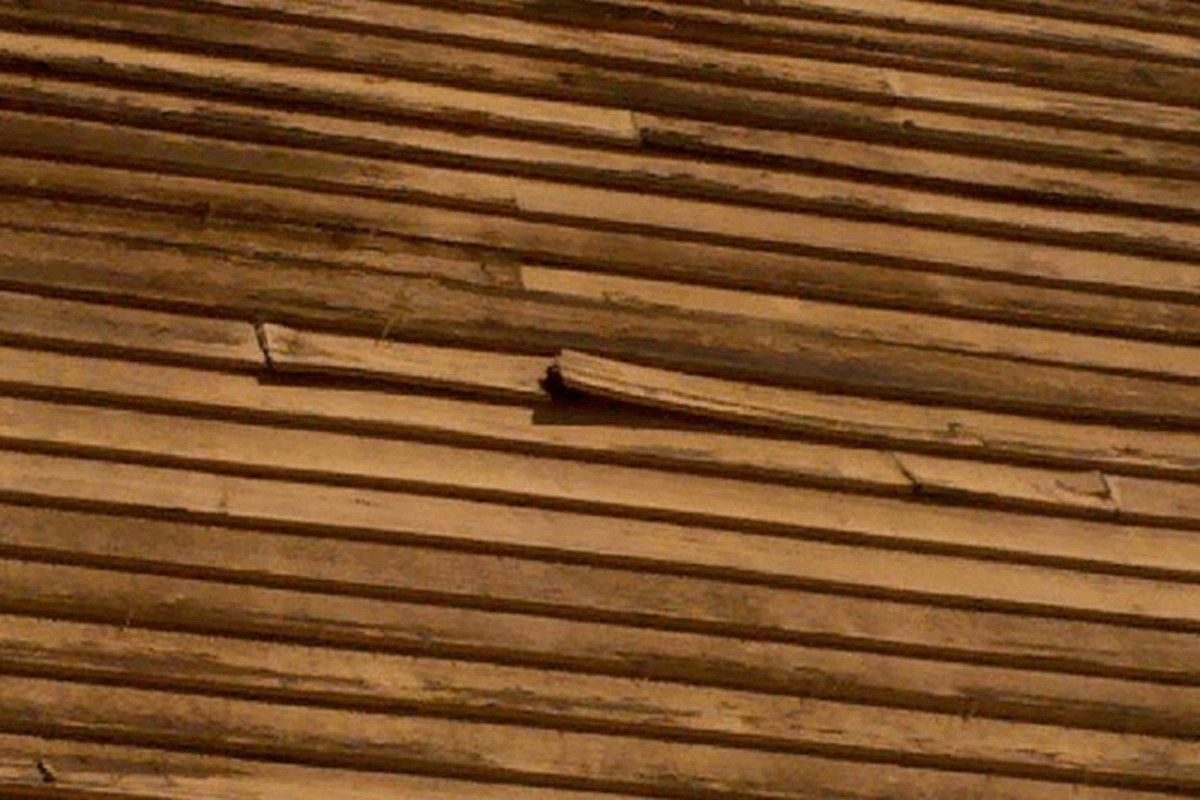
On the Front Range, fall comes with crisp mornings, sunny afternoons, and a short window to get the exterior buttoned up. If siding problems are brewing, this is the season to tackle them. We wrote this fall siding repair guide to help Denver-area homeowners spot issues early, complete smart DIY fixes, and know when to call us for help before snow and freeze–thaw cycles make things worse. At Paramount Siding and Windows, we repair siding when it’s practical, replace it when it’s needed, and help you choose durable materials that fit Colorado’s climate and your budget.
Key Takeaways
- Fall is the ideal window on Denver’s Front Range to complete siding repair before freeze–thaw cycles expand cracks, loosen panels, and invite moisture.
- Do a quick curbside assessment with photos and measurements of warped panels, stains, and gaps to speed accurate repair vs. replacement estimates.
- Use mild temps (above ~40°F) for DIY fixes: refasten loose panels, replace damaged pieces, and seal joints/penetrations to cut drafts and protect warranties with approved touch-up.
- Match repairs to material: let vinyl float, patch/prime soft wood or upgrade to LP SmartSide, reseal fiber cement/engineered wood joints and reset fasteners, clean/prime steel rust, and fill minor stucco cracks.
- Manage water at the source by cleaning gutters, extending downspouts, confirming kickout flashing and drip caps, and keeping soil or mulch off the siding.
- Call a pro for soft walls, repeated moisture staining, flashing failures, hail claims, or when timelines are tight so critical siding repair is stabilized before snow.
Why Fall Is The Best Time To Tackle Siding Repairs
Freeze–Thaw Damage And Water Intrusion
Once winter hits, daytime melt and overnight refreeze can push moisture into tiny gaps and expand cracks. That can pop fasteners, loosen panels, and let more water in. In our Littleton and Denver metro climate, that cycle repeats for months. Catching issues now prevents rot in sheathing, mold in walls, and paint or finish failures that spread.
Fall also helps materials cure correctly. Most sealants, adhesives, and paints perform best in moderate temperatures and low humidity. If you wait until it is consistently below 40°F, vinyl gets brittle, caulks take longer to skin over, and coatings do not bond as well. A clean, dry, mild fall day sets your repairs up to last.
Energy Efficiency And Comfort
Small gaps add up. If you feel drafts around outlets on exterior walls or notice higher bills every winter, air leaks around siding seams, trim, and penetrations might be part of the story. Sealing joints and replacing damaged pieces helps your insulation do its job. When we do larger projects, we can also add insulation behind new siding to boost efficiency. That is a simple upgrade with a real comfort payoff. Paramount Siding and Windows can walk you through options that fit your home and the way you live.
Quick Curbside Assessment: Spot Problems In Minutes
Signs You Can See From The Ground
Grab your phone, step back, and do a slow lap around the house. You are looking for:
- Warped, cracked, loose, or missing panels
- Bubbling or staining that hints at trapped moisture
- Gaps at corners, around windows and doors, and at utility penetrations
- Peeling paint or finish on wood and engineered wood
- Dents, corrosion, or rust streaks on metal
- Hairline cracking on stucco, especially near openings
Do not forget high-wind sides of the home and areas hit by sprinklers or heavy splashback.
What To Photograph And Measure
- Take wide shots of each wall, then close-ups of every issue.
- Measure the length and height of damaged sections and note the profile or style.
- Record the location relative to a nearby window or corner to help with ordering and repairs.
If you plan to get an estimate, these photos save time and help us price repair vs. replacement accurately. Paramount Siding and Windows is happy to review your photos and advise if a repair will hold or if there is hidden damage to check further.
Material-Specific Issues And Fixes
Vinyl: Cracks, Loose Panels, And Warping
Vinyl can crack from hail or become brittle in cold spells. Loose panels often come from nails driven too tight or from thermal movement over time. Minor fixes include refastening with proper nailing technique so the panel can float, and replacing cracked pieces. Avoid flexing vinyl in the cold: do the work on a milder day.
Quick tip: if your home sees strong sun, lighter colors reduce heat distortion.
Wood: Rot, Insect Damage, And Peeling Paint
Wood looks great but needs maintenance. Probe suspect spots with a screwdriver. If it sinks in or feels spongy, you likely have rot. Small areas can be cut out and patched, then primed and painted. Widespread rot, carpenter ant frass, or peeling across entire elevations usually signals it is time to consider a more durable material. We often replace failing wood with LP SmartSide, an engineered wood that resists impact and moisture while keeping a classic profile.
Fiber Cement And Engineered Wood: Gaps And Fastener Problems
Fiber cement like James Hardie and engineered wood like LP SmartSide stand up well here. Most issues we see are at joints and trims. Look for:
- Open butt joints that need backer and sealant
- Missing or under-driven fasteners
- Hairline cracks at cut ends or penetrations
Repairs usually involve resealing joints with the manufacturer-recommended sealant, touching up factory finishes, and resetting fasteners. If you are seeing repeated moisture staining, we will also review flashing.
Metal And Stucco: Dents, Corrosion, And Hairline Cracks
Steel siding is tough, fire resistant, and pest proof. It can dent from hail and may show surface corrosion near cut edges. Light corrosion can be cleaned, primed with a rust-inhibiting primer, and finished to match. Severe hail damage is often an insurance claim. For stucco, small cracks can be filled with a compatible elastomeric sealant or patch: branching cracks or bulging may indicate water trapped behind the system. That deserves a deeper look.
As a full-service contractor, Paramount Siding and Windows installs steel, James Hardie, and LP SmartSide, and we can blend repairs into existing finishes when replacement is not yet necessary.
DIY Repairs To Complete Before First Snow
Refasten Loose Panels And Replace Damaged Pieces
- Rehang loose vinyl or lap siding so fasteners are centered in slots and not overdriven.
- Replace cracked or broken boards with matching profiles. For fiber cement and engineered wood, seal and finish all cut ends.
- Use corrosion-resistant fasteners that match the material.
Seal Gaps, Caulk Joints, And Flash Penetrations
- Caulk vertical joints, corner boards, trim edges, and small cracks with exterior-grade, paintable sealant.
- Check utility penetrations, hose bibs, light fixtures, and meter bases. Add appropriate flashing or gaskets where needed.
- Around windows and doors, inspect the perimeter sealant and refresh where it is open or missing.
Touch-Up Painting And Weatherproof Finishes
- Spot-prime bare wood and patched areas. Use a high-quality exterior paint compatible with the substrate.
- For factory-finished products, use the manufacturer’s touch-up kit to protect warranties and color match.
Tools, Materials, And Safety Basics
- Tools: utility knife, pry bar, drill/driver, nail set, caulk gun, putty knife, paint supplies, and a measuring tape.
- Materials: exterior caulk, backer rod, rust-inhibiting primer for metal, color-matched touch-up, appropriate fasteners.
- Safety: gloves, eye protection, dust mask when cutting fiber cement, stable ladder on level ground. Avoid cutting cement products without proper dust control.
Temperature Limits For Caulk, Adhesives, And Paint
Most caulks and adhesives specify a minimum application temperature around 40°F and require dry surfaces. Paints also need mild, dry conditions to cure. If we get an early cold snap, wait for a warmer afternoon window or plan the repair for the next mild day so materials perform the way they should.
Water Management: Stop Leaks At Their Source
Gutters, Downspouts, And Splashback
Clogged gutters overflow onto siding and saturate the base of walls. Clean gutters and downspouts, confirm downspouts discharge at least 5 feet away, and consider splash blocks or extensions. Adjust sprinklers that hit the house, and clear debris behind bushes where water lingers.
Kickout Flashing, Drip Caps, And Window Trims
Where a roof meets a wall, kickout flashing keeps water out of the siding. If it is missing, water will streak down the wall and find its way inside. Check for drip caps above windows and doors and reseal trim edges where needed. If you see staining beneath a roof-to-wall intersection, get that addressed quickly.
Ground Clearance And Landscaping
Maintain a gap between siding and soil or hardscapes. Mulch piled against siding traps moisture and attracts pests. Trim shrubs so air can circulate and you can see problems early. It is a small habit that prevents big repairs.
When To Call A Pro Or Plan A Spring Replacement
Structural Red Flags And Widespread Moisture
If the wall feels soft under the siding, you see persistent interior leaks, or multiple elevations have damage, bring in a pro. We check sheathing, housewrap, and flashing, then recommend targeted repairs or a replacement plan. If a full replacement makes more sense, we will discuss durable options like James Hardie fiber cement, LP SmartSide engineered wood, or steel siding with excellent long-term value.
Insurance, Warranties, And Permits
Hail and wind are common along the Front Range. Document damage with photos and dates, review your policy, and loop us in early. We coordinate with adjusters, protect manufacturer warranties by using approved methods and touch-up products, and pull permits where required.
Budgeting And Timelines
Fall books fast. Simple repairs can be scheduled within days to a few weeks. Larger projects may run a few weeks to a couple of months, depending on scope and color lead times. If the calendar or weather runs out, we will stabilize trouble spots for winter and line up a spring start. Paramount Siding and Windows can also phase window replacements and siding work to match your budget without sacrificing quality.
Conclusion
Fixing siding in fall protects your home from snow, wind, and that relentless freeze–thaw cycle we all know. A quick curbside check, a few smart DIY tasks, and timely help from a trusted local team go a long way. If you prefer a professional set of eyes, we are here for it.
Paramount Siding and Windows serves Littleton and the entire Denver metro area with siding repair, full replacements, and energy-efficient window options. We install LP SmartSide, James Hardie, and steel, and we are one of the few companies that will repair siding when replacement is not yet necessary. Ready to get started? Contact us for a free, no-pressure estimate or stop by our showroom. Let us help you catch small problems now so your home stays warm, efficient, and ready for winter.
Fall Siding Repair FAQs
Why is fall the best time for siding repair on the Front Range?
Fall siding repair beats winter’s freeze–thaw cycle that forces moisture into gaps, expands cracks, and loosens fasteners. Mild, dry weather also helps caulks, adhesives, and paints cure correctly. Waiting until temps sit below 40°F can make vinyl brittle and prevent coatings from bonding well.
What quick curbside checks can spot siding damage before snow arrives?
Walk the perimeter and look for warped, cracked, loose, or missing panels; bubbling or staining from trapped moisture; gaps at corners, windows, doors, and penetrations; peeling paint on wood; dents or rust on metal; and hairline cracks in stucco. Photograph wide and close-up views and measure affected sections.
What DIY fall siding repairs should I prioritize before the first snow?
Start with refastening loose panels and replacing cracked boards. Seal vertical joints, corner boards, trim edges, and penetrations with exterior-grade, paintable caulk. Touch up paint and seal all cut ends on fiber cement or engineered wood. Follow temperature limits—most sealants and paints need dry conditions and roughly 40°F+.
When should I call a pro instead of DIY for fall siding repair in Denver?
Call a pro if walls feel soft, interior leaks persist, or multiple elevations show damage—signs of sheathing, housewrap, or flashing issues. Pros can assess moisture paths, recommend targeted fixes or full replacement, coordinate insurance, protect warranties with approved methods, and pull permits where required.
Can siding be repaired in winter in Colorado if I miss the fall window?
Yes, but it’s harder. Many caulks, adhesives, and paints require dry surfaces and minimum temps around 40°F. Cold makes vinyl brittle and slows curing. Contractors may use cold‑weather products and schedule work during warmer afternoon windows, or stabilize trouble spots and finish comprehensive repairs in spring.
What siding materials hold up best to Colorado’s climate?
Fiber cement (e.g., James Hardie), engineered wood (e.g., LP SmartSide), and steel siding all perform well against hail, temperature swings, and fire risk. Fiber cement and engineered wood resist moisture with proper sealing at joints and cut ends; steel is tough and pest-proof. Choose based on budget, look, and maintenance needs.
Subscribe to Paramount Siding & Windows's Blog

Comments