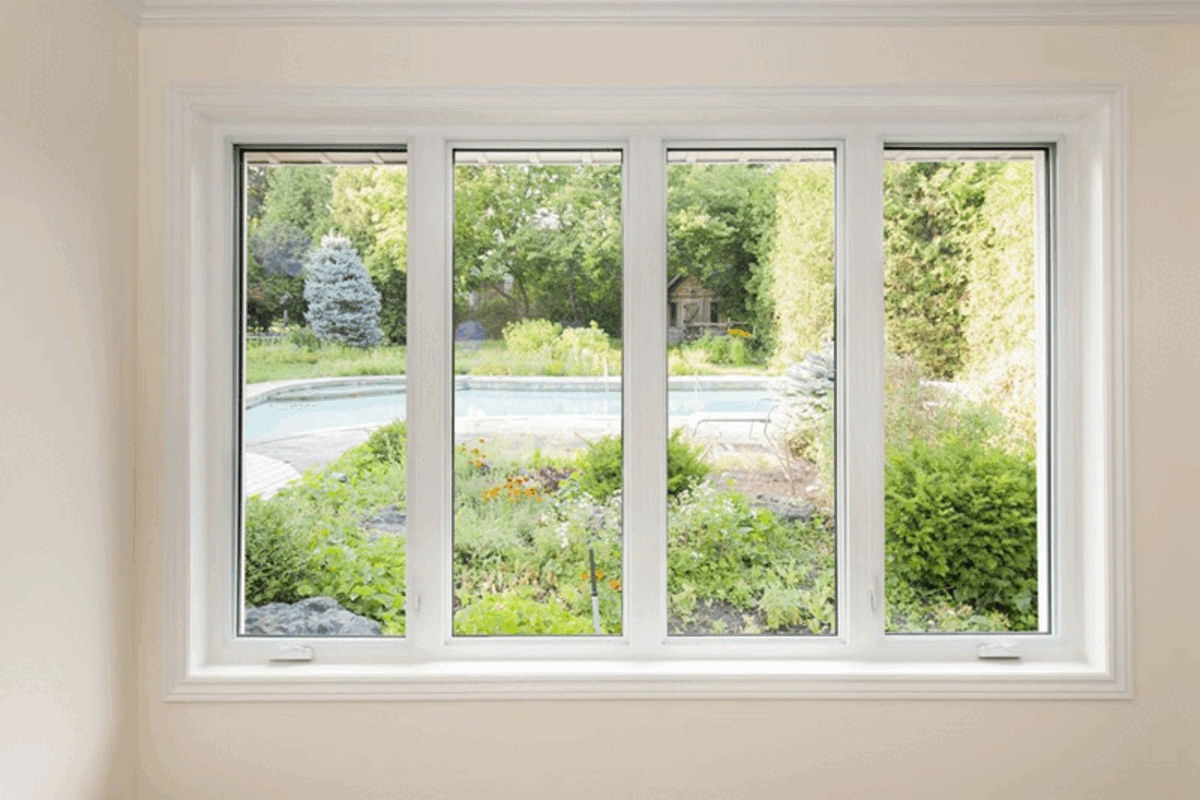
Hot afternoons, cool evenings, and fierce high-altitude sun. That’s a normal July in Littleton. If your home feels stuffy by 3 p.m., the right windows can make a real difference. At Paramount Siding and Windows, we help Denver Metro homeowners choose window types and glass packages that handle the altitude, the UV, and the big day-night swings. Below, we break down what matters for summer comfort and how to pick windows that keep you cooler without killing your views.
Key Takeaways
- Choose spectrally selective Low-E glass with UV-blocking interlayers—especially on west and south—to slash radiant heat while preserving views and furnishings.
- Balance U-factor and SHGC by orientation: go low SHGC on west/south, moderate on east, and keep U-factor low enough for winter comfort.
- For summer cooling in Colorado heat, pair tight air-leakage ratings with altitude-ready IGUs (capillary tubes or locally built) to curb smoke intrusion and prevent seal failure.
- The best window types for beating Colorado heat combine operable styles that move air—casements/awnings, tilt-turns, sliders/double-hungs—with layouts for night flushing and cross-ventilation.
- Pick frames that handle UV and big temperature swings—fiberglass, premium vinyl, or wood-clad—and add laminated glass or reinforced frames for hail resilience.
- Maximize performance with proper flashing and air sealing, add exterior shading, and use films or storm panels if not replacing; check rebates for ENERGY STAR-certified windows.
Why Colorado Heat Demands Specialized Window Choices
High Altitude Sun And UV Exposure
At our elevation, sunlight is more intense and UV is brutal on furnishings and finishes. That’s why spectrally selective Low-E glass and UV-blocking interlayers are key. They cut radiant heat before it enters while protecting floors, artwork, and furniture from fading. If you have west or south exposures with big views of the Front Range, this is priority number one for summer cooling.
Big Day-Night Swings And Low Humidity
Colorado’s dry air and 30 to 40 degree temperature swings can stress frames, seals, and insulated glass. We look for windows that manage expansion and contraction well, hold a tight air seal, and won’t warp in the sun. Fiberglass and high-quality vinyl perform reliably here, and wood-clad is excellent with proper exterior protection and regular care.
Wildfire Smoke, Hail, And High-Elevation Glass Considerations
Seasonal smoke and pop-up hail storms are part of life across the Front Range. Tight air-leakage ratings help reduce smoke intrusion. Laminated glass and reinforced frames improve hail resilience. For insulated glass units installed at elevation, capillary tubes or altitude-specific IGUs prevent seal stress as pressure changes. These details are small but they matter for performance and longevity.
Key Performance Metrics That Matter In Summer
U-Factor vs. SHGC: Balancing Winter And Summer
Two numbers guide most window choices: U-factor and SHGC. U-factor measures overall insulation. SHGC measures how much solar heat the glass lets in. For Colorado summers, we typically favor a lower SHGC on south and west windows to reduce afternoon heat gain, and we keep U-factor low enough to protect winter comfort. It’s a balance, especially if you don’t want to over-cool in July or over-heat in January.
Quick cheat sheet:
- Lower U-factor = better insulation year-round
- Lower SHGC = less summer heat gain
- Pair low SHGC with smart shading on west and south
Visible Transmittance And Glare Control
Visible Transmittance (VT) tells you how much daylight gets through. We aim for glass that keeps natural light without harsh glare. Modern Low-E coatings can maintain good VT while dialing back the infrared heat, so you keep your mountain views and your sanity at 3 p.m.
Air Leakage Ratings And Real-World Comfort
Even efficient glass can feel hot if air leaks around frames and sashes. Energy-rated windows with tight air-leakage numbers reduce drafts, smoke infiltration, and uneven room temps. You’ll notice this most on windy afternoons and overnight when the breeze picks up.
The Best Glass Options For Colorado Cooling
Spectrally Selective Low-E Coatings For West And South Facades
Spectrally selective Low-E reflects a high percentage of solar heat while allowing visible light. On west and south walls, it’s a workhorse. We often mix coatings by orientation: more aggressive heat rejection where the sun is harshest, and slightly higher SHGC on shaded or north-facing windows to keep winter gains.
Double vs. Triple Pane For Heat Rejection And Comfort
Double-pane Low-E is solid, but triple-pane goes further. At altitude, triple-pane adds insulation and helps stabilize indoor temps during heat spikes and cool nights. It also improves sound performance, which is a nice bonus near busy roads or lively summer backyards.
Gas Fills, Warm-Edge Spacers, And Laminated UV-Blocking Interlayers
- Argon gas fills improve insulation between panes
- Warm-edge spacers cut down on thermal bridging at the glass edge
- Laminated interlayers boost UV blocking and help with impact resistance
High-Altitude IGU Details: Capillary Tubes And Local Manufacturing
Windows assembled at lower elevation can struggle when installed in the Denver area if not engineered for pressure differences. Capillary tubes or altitude-specific fabrication relieve stress on seals and prevent distortion. At Paramount Siding and Windows, we work with brands that build or properly vent IGUs for our elevation so you avoid fogging or premature seal failure.
Window Operating Styles That Maximize Summer Ventilation
Casement And Awning Windows For Directional Airflow
Casements hinge on the side and catch breezes like a sail, which makes them excellent for night flushing. Awnings hinge at the top, shedding light rain while venting. Both seal tightly when closed, which also helps with smoke days.
Tilt-Turn Flexibility And Secure Venting
Tilt-turns can tilt in at the top for secure, gentle ventilation or swing in wide for serious airflow. If you’re aiming to cool the house overnight without fully opening a ground-level window, the tilt setting is a smart move.
Sliders And Double-Hungs: When They Make Sense
Sliders offer wide horizontal openings and easy operation, especially for larger window spans. Double-hungs give you split control with both upper and lower sashes, useful for letting warm air escape up top while pulling cooler air in below. With quality balances and weatherstripping, both styles can perform well in our climate.
Fixed Picture Windows And Passive Heat Control
Fixed picture windows are the champs for a tight seal and big views. Pair them with operable flankers for cross-ventilation, and choose a lower SHGC on west-facing glass to keep the living room from baking.
Frames And Materials Suited To Colorado’s Climate
Fiberglass, Vinyl, Wood-Clad, And Thermally Broken Aluminum
- Fiberglass: Excellent dimensional stability in sun and cold, strong seals, long service life
- Premium Vinyl: Great value and efficiency when built with robust frames and chambers
- Wood-Clad: Warm aesthetic with exterior protection and strong thermal performance
- Thermally Broken Aluminum: Sleek profiles with a thermal break to limit heat transfer
Paramount Siding and Windows offers top brands in vinyl, Fibrex-type composites, wood, fiberglass, and metal-clad options, so we can match performance to your home and budget.
Expansion, Warping, And Maintenance In Intense Sun
High UV and heat can distort weaker frames. We recommend proven materials and finishes, UV-stable exterior colors, and correct installation to manage expansion gaps. Wood interiors benefit from occasional sealing. Vinyl and fiberglass are generally low maintenance.
Hail And Impact Resilience Considerations
If hail is your worry, consider laminated glass, beefed-up frames, and grids mounted between the glass. These choices help resist impact and preserve seals during storm season.
Placement, Orientation, And Shading Strategy
South, West, And East Exposures: Optimizing SHGC By Facade
- West: Lowest SHGC to fight late-day heat
- South: Low to moderate SHGC, depending on overhangs
- East: Morning sun is gentler: moderate SHGC often works
- North: Prioritize insulation and clarity
Overhangs, Exterior Shades, And Reflective Screens
Fixed overhangs, retractable awnings, exterior shades, or even Phantom-type retractable screens can cut solar gain while keeping airflow. We often size overhangs to block high summer sun while allowing winter light.
Night Flushing And Cross-Ventilation Layouts
Open low on the windward side and high on the leeward side to pull hot air up and out. Pair casements or awnings opposite sliders or double-hungs to move air through long rooms and hallways. It’s simple physics and it works.
Installation And Weatherization Essentials
Flashing, Air Sealing, And Foam Around Frames
Great glass can’t make up for gaps. Proper sill pans, head flashing, and compressed foam or sealant around the frame keep water and hot air out. It also helps with smoke days by tightening the envelope.
Blower-Door-Guided Retrofits And Smoke Intrusion Control
If you’re planning a phased project, blower-door testing prioritizes which openings leak most. Sealing those first delivers the biggest comfort jump. High-performance weatherstripping and tight-operating hardware go a long way in wildfire season.
Retrofitting Options: Films, Storm Panels, And Inset Shades
Not ready for full replacement? Consider:
- Spectrally selective window films for quick heat and UV reduction
- Interior or exterior storm panels to add another air layer
- Cellular or reflective inset shades to cut afternoon gain
These won’t match a full Low-E IGU, but they can buy time and lower cooling loads.
Costs, Incentives, And Smart Upgrade Timing
When To Replace vs. Improve Existing Windows
Replace when you see failed seals, warped frames, heavy condensation between panes, or recurring hot rooms. Improve when frames are solid and you mainly need heat and glare control. We’re happy to assess honestly either way.
Local Rebates, Tax Credits, And Energy Certifications
Many Colorado utilities and federal programs offer incentives for ENERGY STAR certified windows. Look for third-party performance labels and consider products with AAMA Gold Label Certification for quality assurance. As Denver’s only authorized dealer and installer of MI Windows and Doors, Paramount Siding and Windows can walk you through options that qualify.
Bundling Upgrades With Shading And Ventilation
You’ll get the best payback when you combine:
- Right-size SHGC by orientation
- Exterior shading on west and south
- Well-planned ventilation with operable styles
- Tight installation with verified air sealing
In the middle of the home improvement spectrum, the Restorations Series V5500 windows we offer are a standout: narrow sightlines for up to 27% more glass area in many replacements, energy-efficient Low-E packages, multi-function Q4 locks on hung and sliding styles, and customizable finishes including woodgrain interiors and durable exterior colors. Beauty you can customize, performance you can feel.
Conclusion
If you’re serious about summer cooling, start with glass tuned to our altitude, frames that shrug off the sun, and operating styles that move air when the evening breeze picks up. We help homeowners across Littleton and the Denver Metro choose smart combinations that beat the afternoon heat while keeping those mountain views crisp.
Ready to compare options for your home? Reach out to Paramount Siding and Windows. We bring top brands in vinyl, fiberglass, wood, Fibrex-type composites, and metal-clad, plus expert installation and local know-how. Check our 4.9-star Google reviews, then call or schedule your free estimate. Let’s design windows that look great, perform in Colorado’s climate, and keep you comfortable all summer. Paramount Siding and Windows is here to help.
Frequently Asked Questions
What are the best window types for summer cooling in Colorado heat?
For Colorado summer cooling, choose spectrally selective Low-E glass to cut solar heat while preserving views, and prioritize lower SHGC on west and south exposures. Pair with tight air-leakage ratings and durable frames like fiberglass, premium vinyl, or wood-clad. Casement or awning windows help ventilate efficiently during cooler evenings.
How should I balance U-factor and SHGC for Colorado summers?
Aim for a low U-factor for year-round insulation and comfort, then tune SHGC by orientation. Use lower SHGC on west and most south windows to limit afternoon heat gain, with slightly higher SHGC on shaded or north glass for winter sun. Combine with exterior shading for peak summer cooling.
Which window operating styles maximize night flushing and cross-ventilation?
Casements catch breezes and can ‘scoop’ air for strong crossflows. Awnings vent even during light rain and seal tightly when closed. Tilt-turns offer secure tilt ventilation or full swing-open airflow. Sliders and double-hungs work well when sized correctly, enabling warm air to exhaust high while cooler air enters low.
What high-altitude glass features prevent seal failure in Denver-area installations?
Insulated glass units should be built for elevation. Capillary tubes or altitude-specific fabrication relieve pressure differences between manufacturing locations and Denver’s higher altitude, helping prevent distortion, fogging, and premature seal failure. Local or properly vented IGUs, warm-edge spacers, and quality gas fills further improve durability and comfort.
What SHGC and VT numbers should I target for west and south windows in Colorado?
As a general guide, consider SHGC around 0.20–0.30 for west-facing windows and roughly 0.25–0.35 for south, adjusting upward if you have generous overhangs. Aim for good daylight with VT near 0.45–0.60 to keep views bright. Spectrally selective Low-E helps maintain VT while limiting heat.
Do I need a permit to replace windows in the Denver metro area?
Many Front Range municipalities require permits for window replacement, especially if altering size, egress, or structural framing. Even like-for-like swaps may need inspection to verify safety glazing and energy compliance. Check your city or county’s building department and confirm requirements with your installer before scheduling work.
Subscribe to Paramount Siding & Windows's Blog

Comments