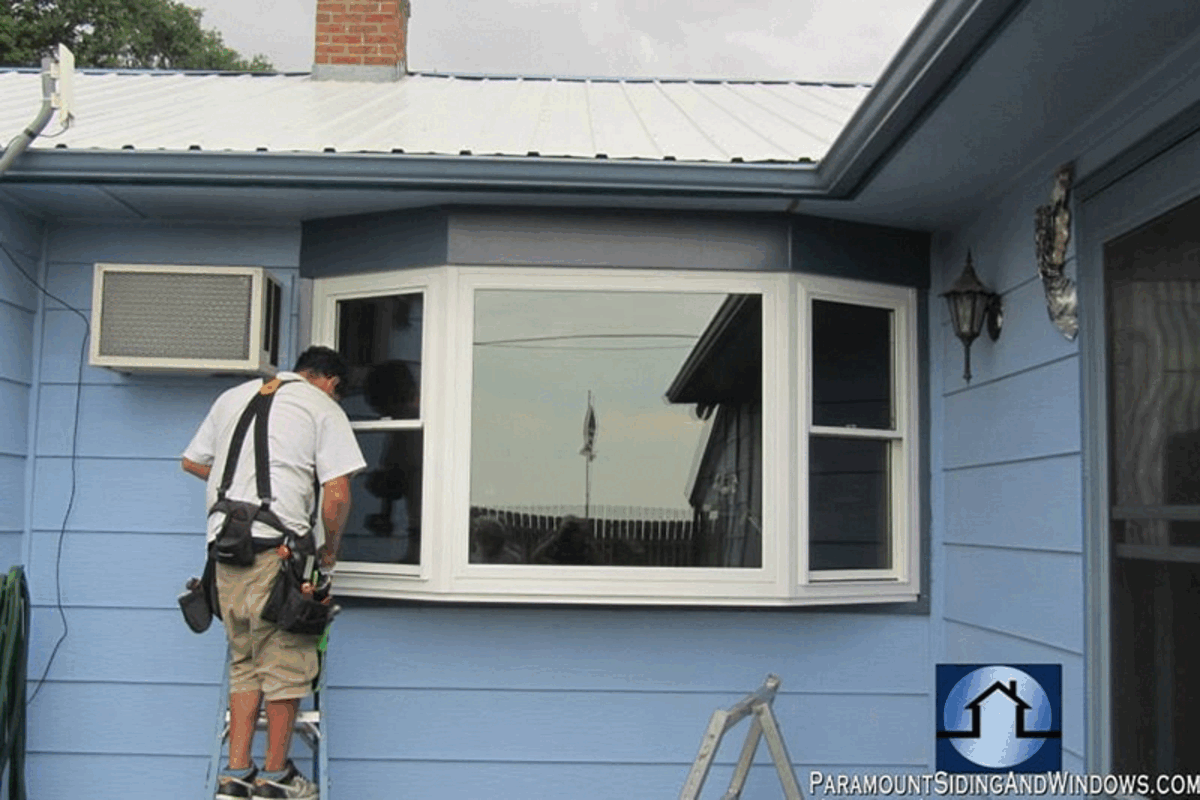
Spring on the Front Range is equal parts sunshine and surprise storms. It’s the perfect time to check how your windows, screens, and siding held up through snow, wind, and freeze–thaw cycles. This spring checklist is built for Denver and Littleton homes, with simple steps you can knock out in a weekend and clear guidance on when to bring in a pro. If you’d rather skip the ladders, our team at Paramount Siding and Windows is happy to help with inspections, repairs, and upgrades.
Key Takeaways
- Denver’s swingy Front Range weather makes a spring checklist essential to catch failed caulk, worn weatherstripping, and hail or wind damage before leaks and energy loss set in.
- Choose a calm, dry day above 50°F, practice ladder safety, and take baseline photos before you clean and seal windows, screens, and siding.
- Windows: vacuum tracks and weep channels, remove mineral spots with 50/50 vinegar, replace flattened weatherstripping, and re-caulk small exterior gaps with UV-resistant, paintable sealant.
- Screens: check frames and spline after hail, patch small tears or fully rescreen brittle mesh, and use finer-weave or retractable Phantom Screens to filter pollen without killing airflow.
- Siding: soft-wash by material, inspect joints and trim for sealant failure or hail strikes, and touch up paint and exposed edges during the recommended temperature window.
- DIY covers cleaning, weep-hole clearing, weatherstripping, small caulk lines, and screen patches ($25–$100 materials), while pros should handle fogged glass, rotted sills, out-of-square frames, elevation-wide damage, and tricky second-story work—use this spring checklist to decide quickly.
Why Spring Maintenance Matters On The Front Range
Our climate swings hard. One day it’s 70 and sunny, the next day it’s sleet. That constant expansion and contraction can open up caulk lines, loosen siding fasteners, and wear out weatherstripping. Add high UV, hail, and spring winds, and small issues can turn into leaks, drafts, and higher utility bills.
Staying on top of a spring checklist keeps moisture out, preserves curb appeal, and stretches the life of your exterior. It also helps you catch warranty issues or storm damage while repairs are simpler and less expensive.
Pre-Check Prep: Tools, Safety, Weather, And Documentation
Denver-Smart Tool List And Materials
Grab what you’ll actually use:
- Adjustable ladder, stabilizer bar if you have uneven grade
- Work gloves, safety glasses
- Mild detergent, soft brush, microfiber cloths, glass cleaner
- White vinegar for mineral spots
- Exterior-grade, UV-resistant caulk/sealant
- Weatherstripping and small putty knife
- Screen patch kit or replacement mesh and spline roller
- Painter’s tape, caulk gun, utility knife
Safety And Ladder Basics At Altitude
- Pick a clear, calm day. Spring winds pick up fast along the foothills.
- Set ladders on level, dry ground and keep three points of contact.
- Watch for power lines near gables and second-story windows.
- Work with a partner. It’s safer and faster.
Pick Your Weather Window And Take Baseline Photos
- Choose a mild, dry day above 50°F for caulking or painting.
- Snap quick photos of each side of your home, close-ups of suspect areas, and any storm hits. If you need to file an insurance claim later, you’ll be glad you did.
Tip: We keep similar photo logs during professional inspections at Paramount Siding and Windows so homeowners have a clear record year over year.
Windows: Inspect, Clean, And Seal
Check For Winter And Freeze–Thaw Damage
- Look for cracked or shrunken caulk where the frame meets siding.
- Open and close each sash. If it sticks, check for swollen wood, debris in tracks, or frame shift.
- Check glass for fogging between panes. That can point to a failed seal in older double-pane units.
- Inspect interior sills for water stains after snow events or wind-driven rain.
Deep Clean Glass, Tracks, And Hard Water Spots
- Vacuum tracks and weep channels. Dirt here leads to drainage problems.
- Wash glass with a mild cleaner. For mineral spots, use a 50/50 white vinegar and water mix and rinse well.
- Lubricate moving parts with a silicone-based spray, not oil, to avoid grime buildup.
Renew Weatherstripping, Caulk, And Weep Holes
- Replace flattened or torn weatherstripping on sashes and sliding doors to cut drafts.
- Clear weep holes at the bottom of frames with a plastic pick. They should drain freely.
- Re-caulk exterior gaps no wider than 1/4 inch using a UV-resistant, paintable sealant. Tool it smooth so water sheds cleanly.
Comfort And Efficiency Tweaks For High UV
- South and west exposures take the harshest sun. If rooms run hot, consider higher-performance glass or exterior shading.
- If your windows are 20+ years old, upgrading to modern vinyl, fiberglass, or composite units can improve comfort and cut energy bills.
We install a full range of options at Paramount Siding and Windows, including MI Windows and Doors and other top brands in vinyl, fibrex, wood, fiberglass, and metal-clad. We’ll walk you through choices that fit your budget and style.
Screens: Repair And Pollen-Ready Upgrades
Inspect Frames, Corners, And Mesh After Hail Season
- Check for bent frames, loose corners, and torn mesh.
- Run a hand lightly over the screen to spot hail dimples or popped spline.
Patch Versus Full Rescreen: Material Choices
- Patch: For small tears, a patch kit blends in and keeps bugs out.
- Full rescreen: If mesh is brittle or there are multiple holes, rescreening looks better and lasts longer.
- Mesh types: Standard fiberglass, pet-resistant, and finer-weave options for pollen and smoke.
Filter Pollen And Smoke Without Killing Airflow
- Choose a denser mesh in bedrooms and main living spaces to cut spring pollen.
- Balance airflow and filtration by mixing mesh types by room.
As Colorado’s authorized distributor of Phantom Screens, we can also add retractable screens that disappear when you don’t need them and let spring air in without the bugs. Phantom’s Legacy retractable screen doors are a favorite for patios and French doors.
Siding: Wash, Inspect, And Protect
Clean By Material Without Forcing Water Behind Joints
- Vinyl and metal: Use a soft brush and mild detergent. Rinse from the top down. Keep water below the lap to avoid driving it behind panels.
- Fiber cement (HardiePlank): Gentle wash only: avoid high pressure. Watch joints and trim.
- Engineered wood (LP SmartSide): Soft wash and inspect factory finishes and cut ends.
Spot Hail Strikes, Caulk Failures, And Wood Trouble
- Look for crescent dents on metal, chipped edges on cement boards, or crushed vinyl panels.
- Check vertical trim joints, window trim, and penetrations for split or missing sealant.
- Probe suspicious wood areas with a pick. Soft spots need attention fast.
Paint And Sealant Timing For Swingy Spring Temps
- Most paints and sealants specify a temperature range. Aim for a warm, dry stretch and avoid overnight freezes.
- Touch up exposed cut edges and nail heads before summer storms roll in.
If you’re seeing widespread wear or color fade, this might be the year to upgrade siding. We install steel, LP SmartSide, and fiber cement in styles that hold up beautifully in Denver’s UV and hail.
DIY Versus Pro: What Makes Sense In Denver
When To Handle It Yourself And Estimated Costs
- Good DIY tasks: Cleaning glass and siding, clearing weep holes, lubricating tracks, replacing weatherstripping, small caulk lines, and patching screens.
- Typical material spend: $25 to $100 covers cleaners, a tube or two of sealant, weatherstripping, and a screen patch kit.
When To Call A Pro For Testing Or Repairs
- Fogged double-pane glass, rotted sills, or frames out of square.
- Hail or wind damage across a full elevation of siding.
- Drafty rooms even after new weatherstripping.
- Second-story repairs if ladder safety is a concern.
We offer free consultations across the Denver metro, including Littleton, Lakewood, Centennial, Arvada, and beyond. At Paramount Siding and Windows, our licensed and insured team has served Colorado homeowners since 2009, and we stand behind our installs. If you’d like, stop by our showroom to see window, siding, and Phantom retractable screen options side by side.
Conclusion
Use this spring checklist for windows, screens, and siding tune-ups to keep your Denver home tight, comfortable, and ready for the warmer months. A couple of careful hours can prevent leaks, keep pests out, and trim energy costs. And if you spot anything that looks bigger than a quick fix, we’re here for you.
Reach out to Paramount Siding and Windows to schedule a friendly, no-pressure visit. We’ll inspect, explain your options, and provide a clear quote for repairs or replacements. Whether it’s high-efficiency replacement windows, durable siding like LP SmartSide or HardiePlank, or Phantom retractable screens, we’ll help you pick the right solution for your home and budget. Call today and let’s get your home spring-ready.
Frequently Asked Questions
What should be on a spring checklist for Denver homes?
A Denver-specific spring checklist includes: inspect window caulk and weatherstripping, open/close sashes, clear weep holes, clean glass and tracks, repair or rescreen damaged screens, and soft-wash siding by material. Choose a calm, dry day above 50°F, use ladders safely, and take baseline photos for potential warranty or insurance claims.
How do I check windows for freeze–thaw damage and improve efficiency?
Look for cracked or shrunken exterior caulk, sticking sashes, and fogging between panes (a sign of failed seals). Vacuum tracks, clear weep holes, lubricate with silicone spray, and replace flattened weatherstripping. Re-caulk gaps up to 1/4 inch with UV-resistant, paintable sealant. Older (20+ years) units may merit higher-performance replacements.
Are screen upgrades worth it for pollen and spring winds in Denver?
Yes. During windows, screens, and siding tune-ups, consider mesh types by room: standard fiberglass for airflow, pet-resistant where needed, and finer-weave mesh in bedrooms/living areas to reduce pollen and smoke. For flexibility, retractable screens disappear when not in use, letting in spring air without bugs while preserving views.
When should I call a pro instead of DIY for siding and window repairs?
Call a pro for fogged double-pane glass, rotted sills, out-of-square frames, or hail/wind damage across a full elevation. Also bring in help for persistent drafts after new weatherstripping or any second-story work if ladder safety is a concern. Pros can document issues and recommend repair versus replacement options.
When is the best time in Denver to schedule windows, screens, and siding tune-ups?
Aim for a mild, dry stretch in late spring—typically April through early June—when daytime temps stay above 50–55°F and nights avoid hard freezes. Avoid high-wind days. Schedule right after major spring storms to document damage, and consider shoulder-season slots for better contractor availability and faster turnaround.
Subscribe to Paramount Siding & Windows's Blog


Comments